Snežnik is repeatedly described as a hidden gem, and the common reaction is that it delivers more than “small castle” suggests. The preserved interiors, the guides and the calm forest-and-pond setting do most of that work. It suits travelers who value authenticity and quiet over famous names, and suits you less if you want a dramatic clifftop fortress or a museum you can wander at your own pace with a camera.
6
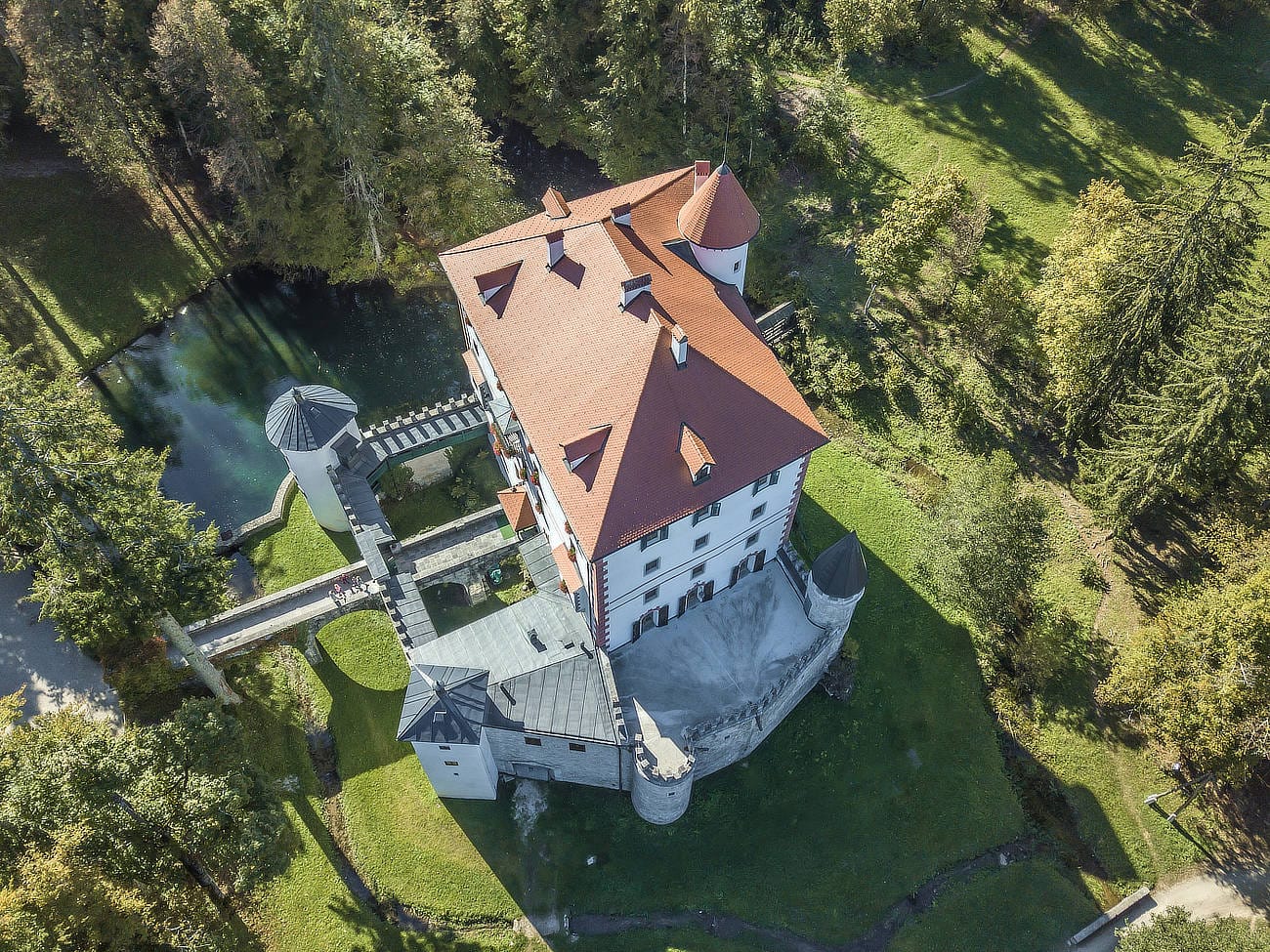
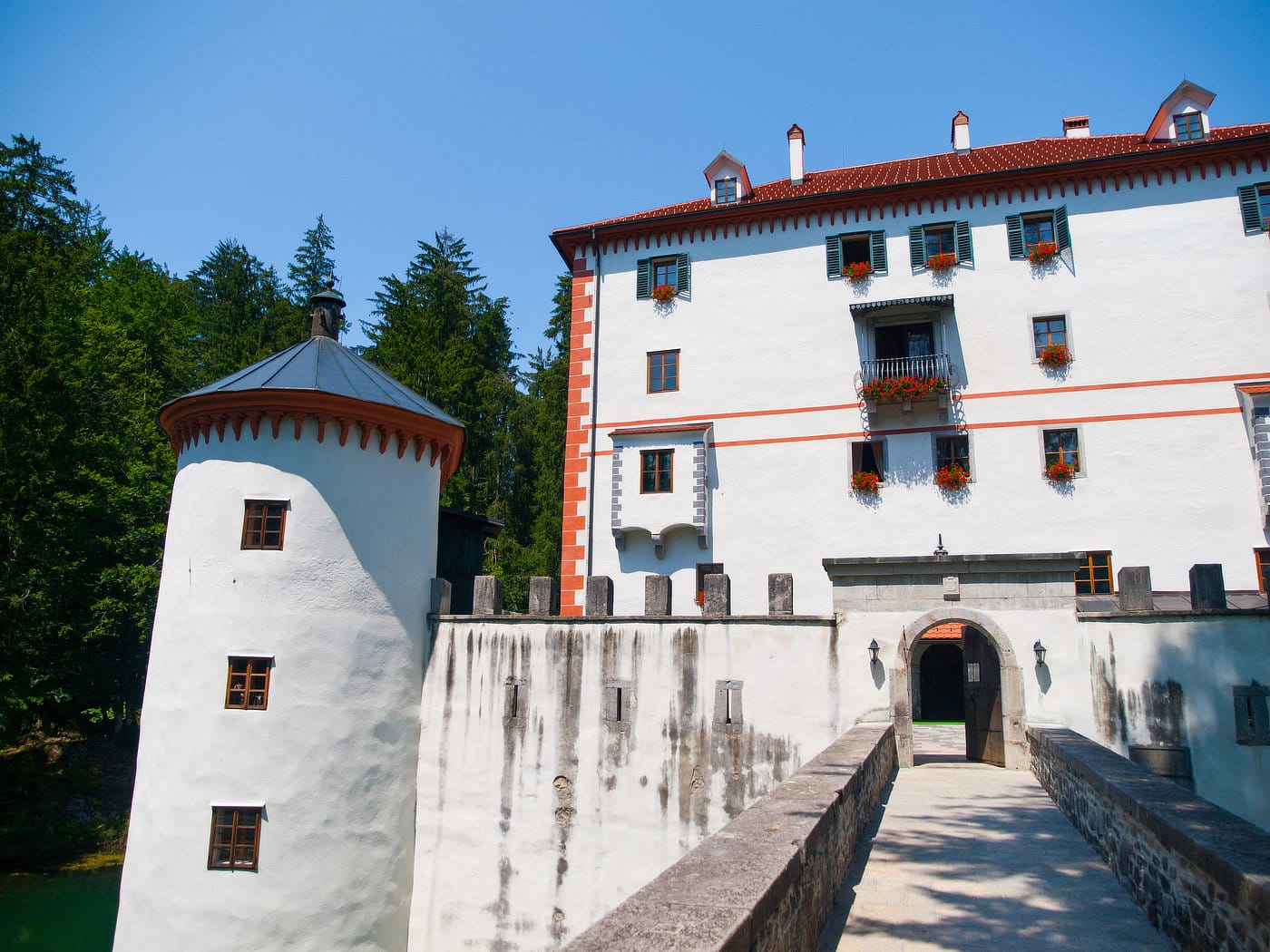
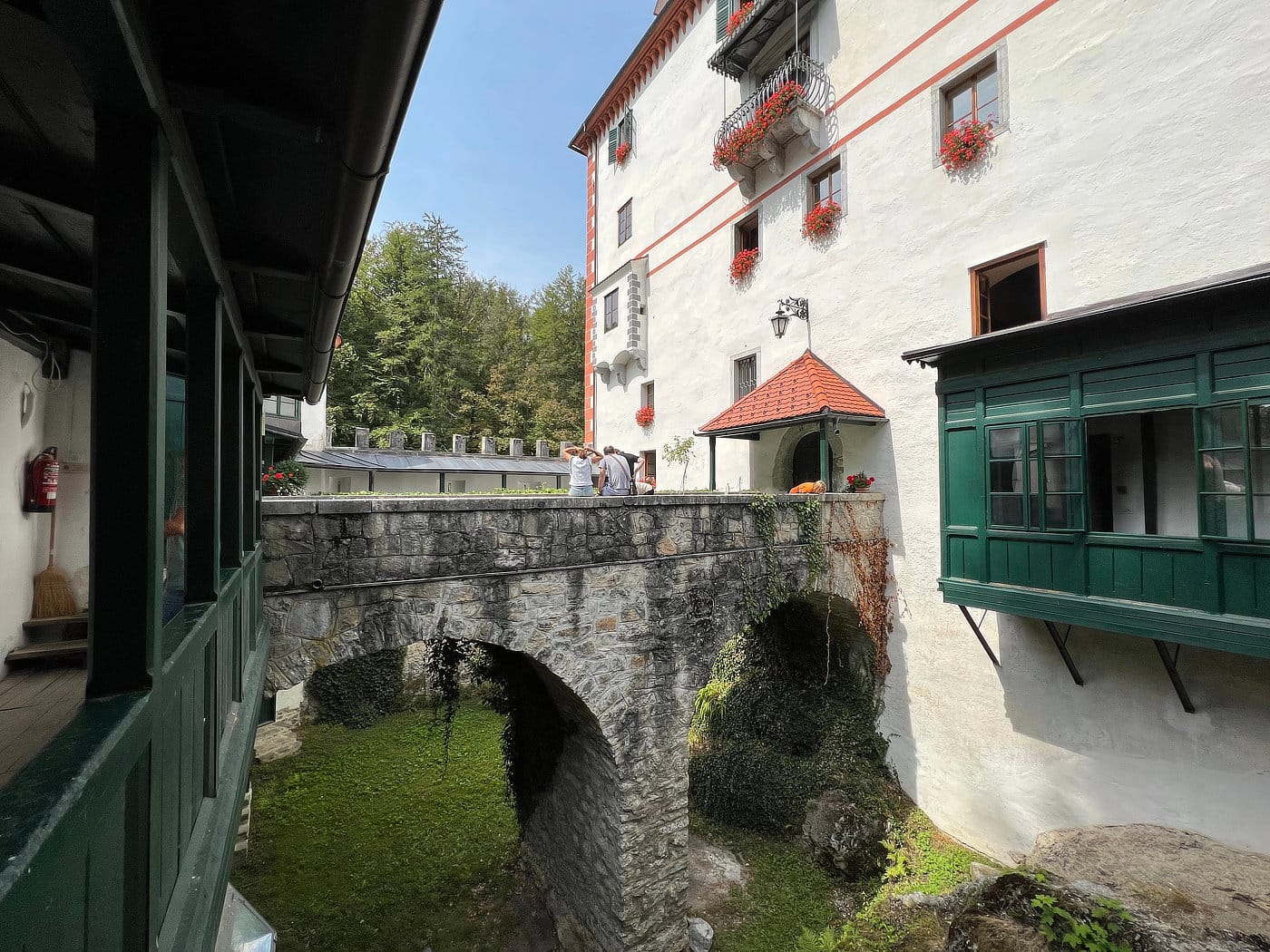
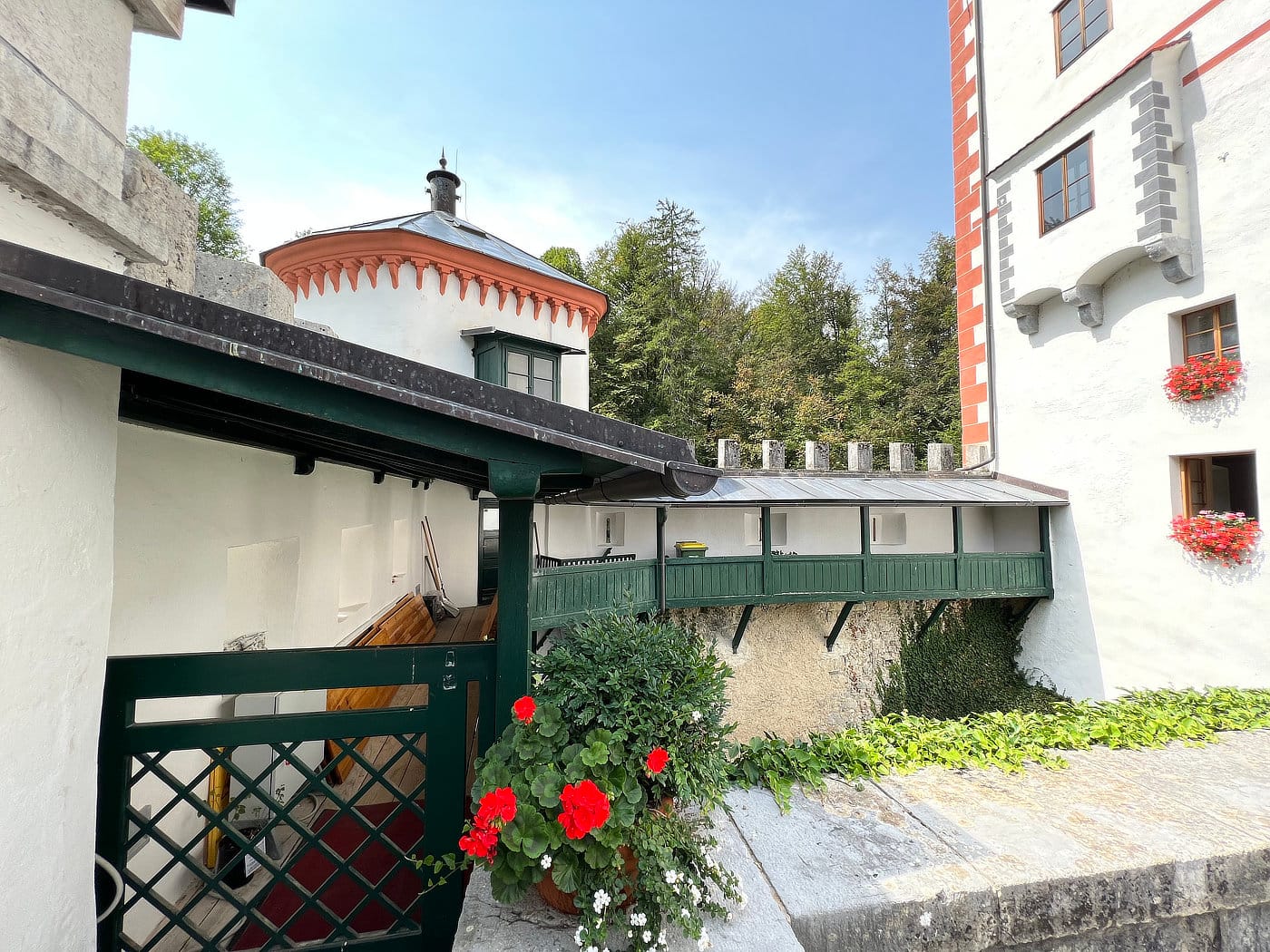
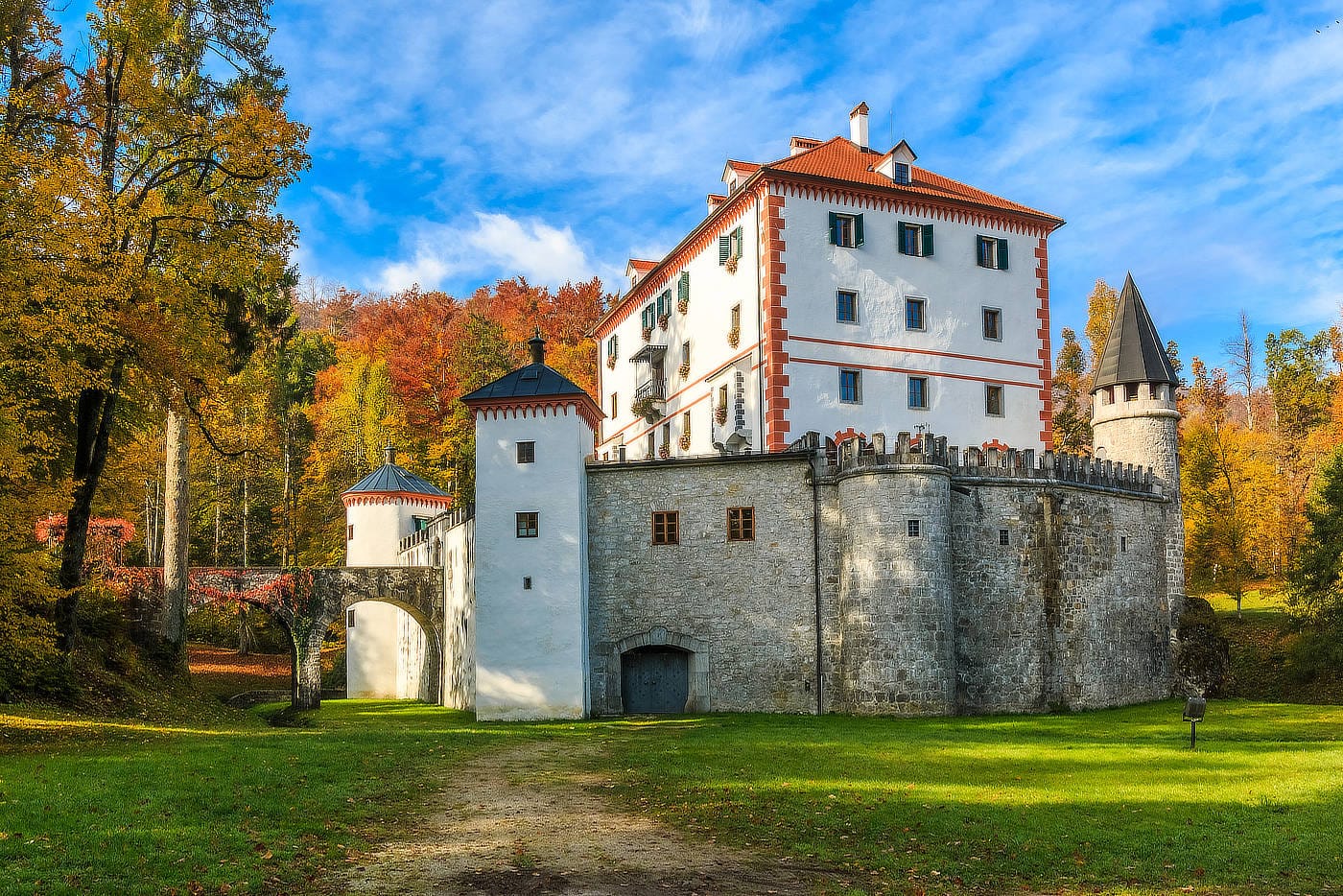
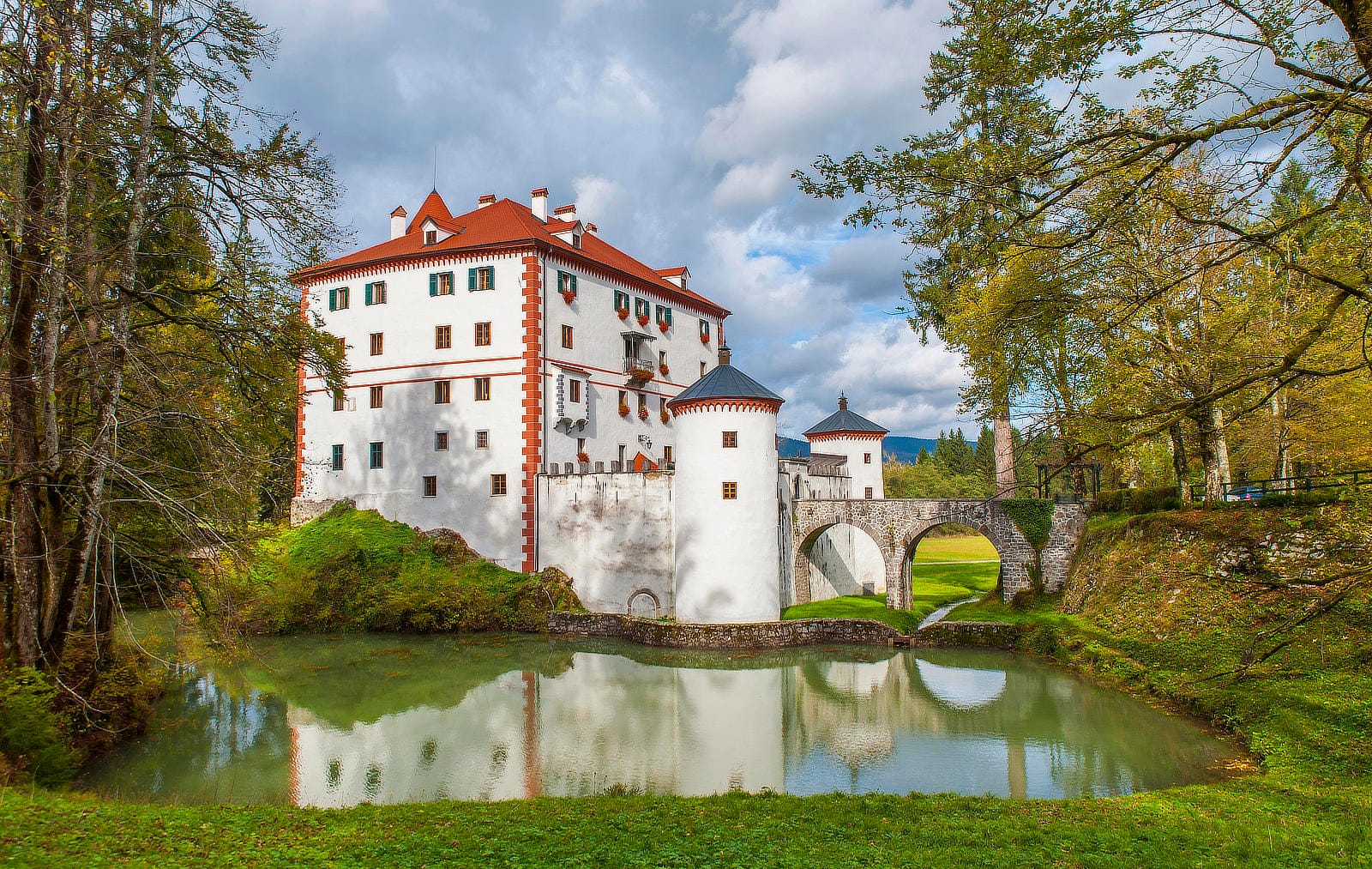
Snežnik Castle stands in deep forest in the Lož Valley, whitewashed and reflected in the spring-fed pond beside it. A guided tour leads through four floors that still hold the original furnishings of its last owners, who used the castle as a summer and hunting home: parlors, bedrooms, a library, hunting trophies and a stuffed bear that has stood here for over a century. The park around it is free to walk, and Križna Cave makes an easy second stop in the same valley.
Plan Your Visit
<
>
Opening Hours
Closed now
Opens in 39h 3m
Today: 10:00–16:00
October weekend
Entry is by guided tour only. In summer (25 June–31 August) tours run hourly from 10:00 to 17:00. Hours are shorter in spring, September, October and winter, and the castle is closed on Mondays in October and winter. Exact off-season tour times are not confirmed, so check the official site before you travel. Groups of 10 or more should arrange a visit in advance, and wedding events can occasionally change the timetable.
Tue 11:00
October weekend10:00–16:00
September weekdays11:00–15:00
September weekend10:00–16:00
Winter11:00–15:00
Summer10:00–17:00
Spring weekdays11:00–15:00
Spring weekend10:00–16:00
October weekdays11:00–15:00
New Year's Day (Jan 1)Closed
Day of Remembrance for the Dead (Nov 1)Closed
Christmas Day (Dec 25)Closed
Entry Fee
Paid
Adults €8
Ticket prices
Official source
Adults
Full price
€8.00
Students
Concession (with ID)
€4.00
Senior
€4.00
School children
€4.00
Family
Parents + their children
€16.00
Organized group 10+ (adult)
Booking required
€6.00
Organized group 10+ (concession)
Retired/students/children; booking required
€3.50
Pre-school children
Free admission
Free
Disabled / SMD / ICOM / press
Free with valid ID card
Free
Official prices updated:
12 Jul 2026
- The ticket covers the guided tour — there is no separate tour fee and no unguided option.
- The surrounding park is free to enter.
- Organized groups over 10 receive reduced rates and must arrange the visit in advance.
- Prices are set by the National Museum of Slovenia and may change.
Parking Situation
Small parking
View options
Parking Options
Official source
Situation: Small parking
Parking info updated: 12 Jul 2026
- Free dedicated parking about 100 m from the castle.
- The same lot also serves the neighboring Snežnik Castle Estate café and apartments.
Visitor Requirements
Age guidance
View requirements Requirements
Visitor Requirements
Suitable child age groups
- Young children (4–7 years)
- Older children (8–12 years)
- Teenagers (13–17 years)

Parking Fee
Free

Child safety note
Uneven terrain+4 more

Access Notes
Best visited early

Suitable For
Couples+3 more

Stroller accessibility
Partly

Wheelchair access
Partly

Estimated visit time
1–2 h

Family Friendly
Partly

Pet Friendly
Partly

Walking Difficulty
Easy

Best season
Spring, Summer, Autumn
Highlights
Castle museum experience
Cultural events and special occasions
Historic hunting trophy rooms
Roman gravestones built into the walls
Castle park and reflecting pond
Fully preserved original interiors
Impressive arrival experience
Storybook castle feeling
Safety Notes
!Narrow passages
!Slippery stone surfaces possible
!Stairs inside
!Supervise children
Photo Tip
Walk around to the far side of the pond for the classic shot: the whole white castle, its turrets and the stone bridge reflected in still water. Early morning gives the calmest surface, and the hour before closing warms the facade. Photography is not allowed inside, so plan on exteriors and the park.
Before You Go
!Can be busy in summer
!Check opening hours
!Guided tours available
!Photography restrictions may apply
!Seasonal access
!Stairs inside
!Ticket required
!Uneven historic surfaces
Access & Parking
Detailed access info in Plan Your Visit ↑
The practical way here is by car. Free parking sits about 100 m from the castle, and the walk in is level and paved, crossing a stone bridge to the entrance. Park paths are flat and easy. The main limitation is indoors: only the ground floor and park are wheelchair-accessible, and the upper floors are reached by historic stairs.
Interesting Facts
1
A castle that kept its original interiors
Unlike many noble houses in the region that were emptied or looted around the middle of the 20th century, Snežnik kept the original furnishings of its last owners. Its four floors still include parlors, bedrooms, dining rooms, a library and a theater corner, which is why the guided tour feels more like entering a lived-in home than an empty shell.
2
Bought at auction by a German prince
In 1853 the castle and its forests were sold at auction for 800,000 florins to the German prince Oton Viktor Schönburg-Waldenburg. His son Georg inherited in 1859, and the family kept Snežnik as a summer and hunting residence until 1945.
3
The silhouette is younger than it looks
The turrets, the extra story, the terrace and the two-arched stone bridge all date from Prince Georg's remodeling after 1859, along with the English-style park. An earlier Valvasor engraving shows only a simple wooden bridge over an unflooded ditch. Under the Romantic dress the core is much older, still keeping Renaissance and Baroque features including preserved beamed ceilings.
4
Recorded since the 13th century
The lords of Snežnik appear in records around 1269, when Meinhard von Schneberg held the site under the Patriarchate of Aquileia. Over the following centuries the castle passed through the Lamberg, Eggenberg, Auersperg and Lichtenberg families, among others.
5
Slovenia's first forestry school started here
Prince Georg took the surrounding forests seriously. In the late 1860s he backed the founding of the first Slovenian forestry school on the estate, which ran until 1875. He also built forest paths, stocked the woods with game and started a steam sawmill that helped launch the timber industry of the Lož Valley.
6
An Egyptian room among the salons
Among the parlors and trophy rooms sits one genuine oddity: an “Egyptian room” furnished in the early 20th century, when far-off cultures were fashionable. The other rooms keep ornamental stoves, originally upholstered seating, family portraits, a piano, a billiard table and a theater corner.
7
The bear that never left
The Schönburg-Waldenburgs hunted the surrounding forests, which still hold bears, wolves, lynx and boar, and the halls are full of their trophies. The best known is a stuffed brown bear that has stood in the castle for more than a century and remains a favorite with visiting children.
8
Roman gravestones in the walls
Look at the facade and the lower vestibule and you will find genuine Roman grave markers built into the stonework. They were taken from a Roman outpost near Šmarata and reused as building material — an unusually direct piece of antiquity in a castle otherwise dressed in the 19th century.
Visitor Wisdom
Traveler Insights
Combined public visitor ratings from Google and Tripadvisor. Last verified July 2026.
Praise lands consistently on the same things: rooms still furnished as they were in the 19th century, guides who make those rooms feel lived in, the white castle mirrored in its pond, and how uncrowded it feels. The stuffed bear collects its own share of affection.
There is no self-guided option: the interior is seen on a guided tour, and in summer those leave on the hour, so a few minutes' delay means waiting for the next one. Hours shrink outside summer. Cameras stay off inside. And the subject is domestic life in a 19th-century home — not battles, armor or dungeons.
This suits couples — it is a popular wedding venue — families with school-age children, anyone who likes interiors and period detail, exterior photographers, and travelers who want a quieter castle visit. It suits you less if you are picturing a dramatic cliffside castle; for that, Predjama Castle offers the opposite kind of experience. It is also harder work without a car, and the no-photography rule inside frustrates some people.
The most common mistake is turning up a few minutes after a tour has started and having to wait for the next one. Close behind: assuming the off-season timetable matches summer, assuming you can walk through alone, underestimating the drive, and going straight inside without walking the pond and park first — many people say the grounds are half the point.
Walk to the far side of the pond before or after your tour — that is where the castle-and-reflection view is. Early tours tend to be smaller. The nearby Dormouse Museum rounds out a full day in the valley, and the estate café next door is an easy place to wait for your tour time.
Families often mention the stuffed bear and the hunting trophies as highlights for children, and the guides are good at telling the rooms' stories. The format is about an hour of standing and listening with no photos, which works better for school-age children than for toddlers. The flat park and the pond give everyone somewhere to move afterward.
Cameras are not allowed in the interior, so plan an exterior shoot. The payoff is the whitewashed castle, its turrets and the stone bridge reflected in still pond water, best in soft morning light or the late golden hour. Spring daffodils and autumn color around the pond are worth timing a visit for.
The lasting impression is of a small, intact castle in a quiet forest setting, brought to life by its guides. Visitors value it precisely because it is authentic and uncrowded rather than famous. The sentiment that keeps returning is that it feels like a genuine 19th-century home rather than a curated display.
Quick Facts
Estimated visit time
1–2 h
Best season
Spring, Summer, Autumn
Walking difficulty
Easy
Family friendly
Partly
Pet friendly
Partly

Entry Fee
Paid
Access type
Short paved walk
Help Improve This Listing
Found outdated information, a mistake, or a useful local tip? Let us know.
Suggest an Update →Help Improve This Listing
Your feedback helps us keep Explore In Slovenia accurate and useful for future visitors.
×Visitor Reviews
Write a review
No visitor reviews yet.
Be the first to share your experience.
No reviews yet!
Sorry! Please login first to submit reviews.