- Worth the stop if you are already in Ptuj, and worth planning a detour for if the Kurent tradition interests you at all.
- Set your expectations for scale first: this is one focused exhibition of about forty minutes, not a large museum.
- Its strength is explanation rather than spectacle: the costumes, film and staff-led visit give the mask, the bells and the ježevka a clear ritual context.
Local name: Kurentova hiša
14
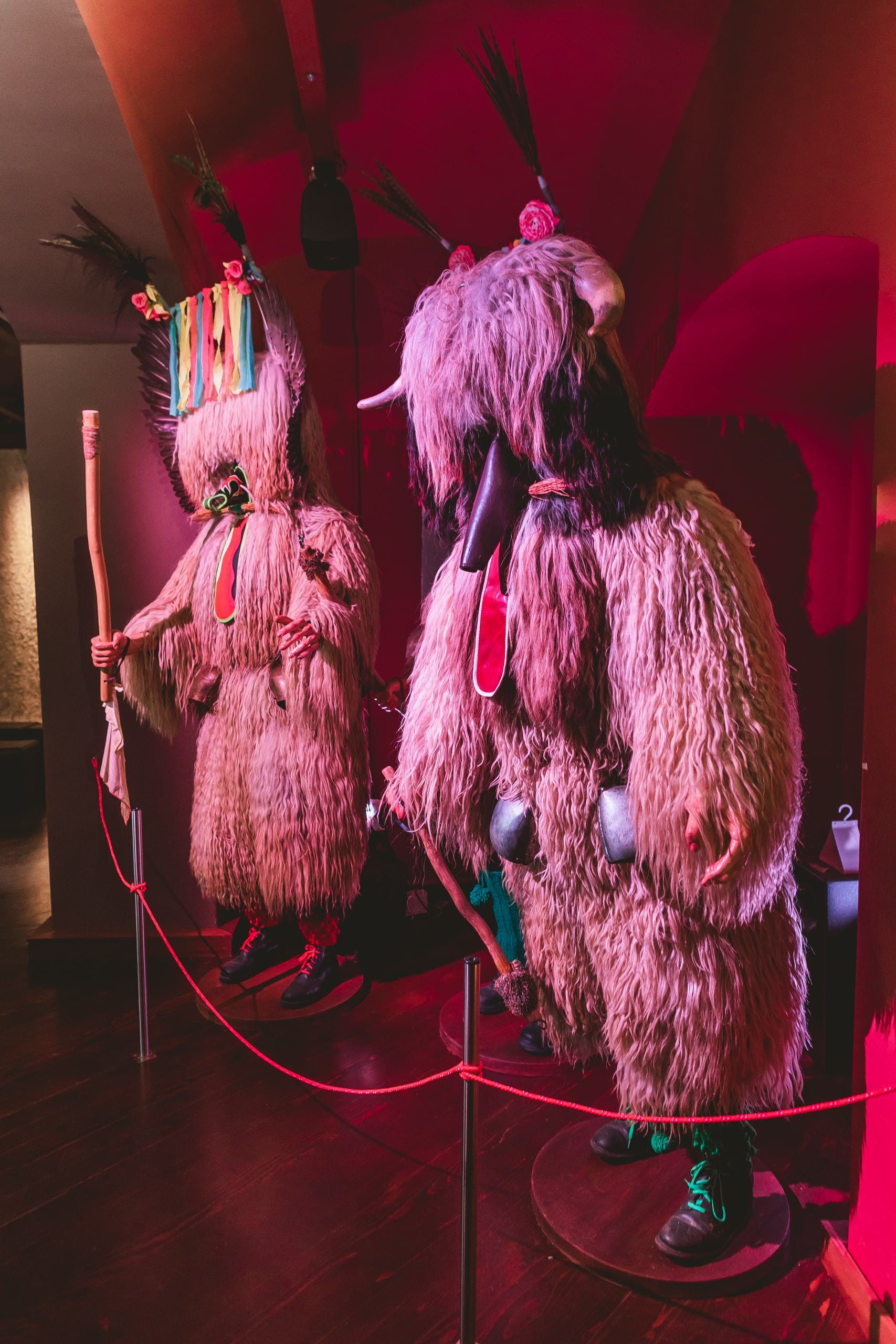
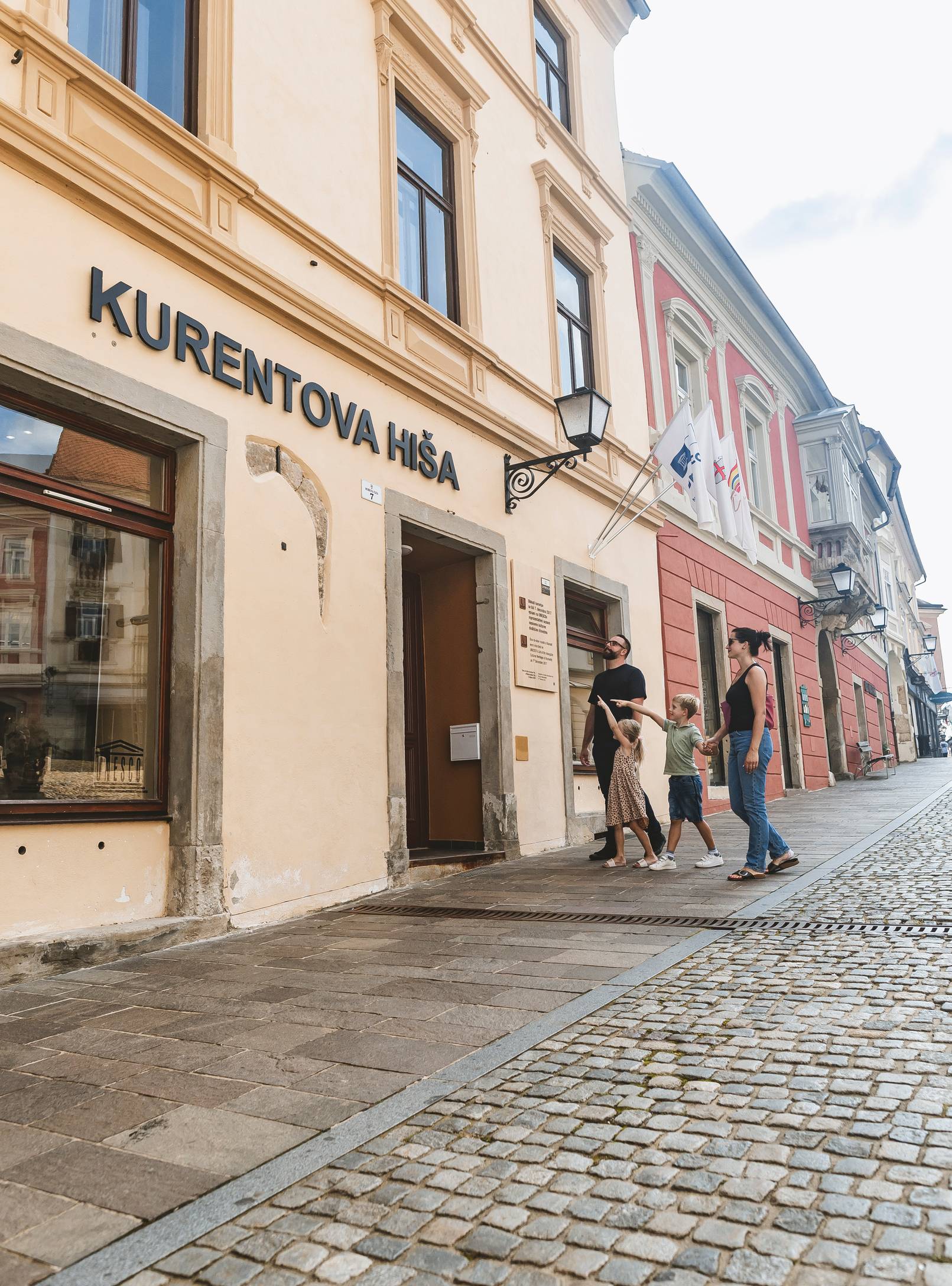

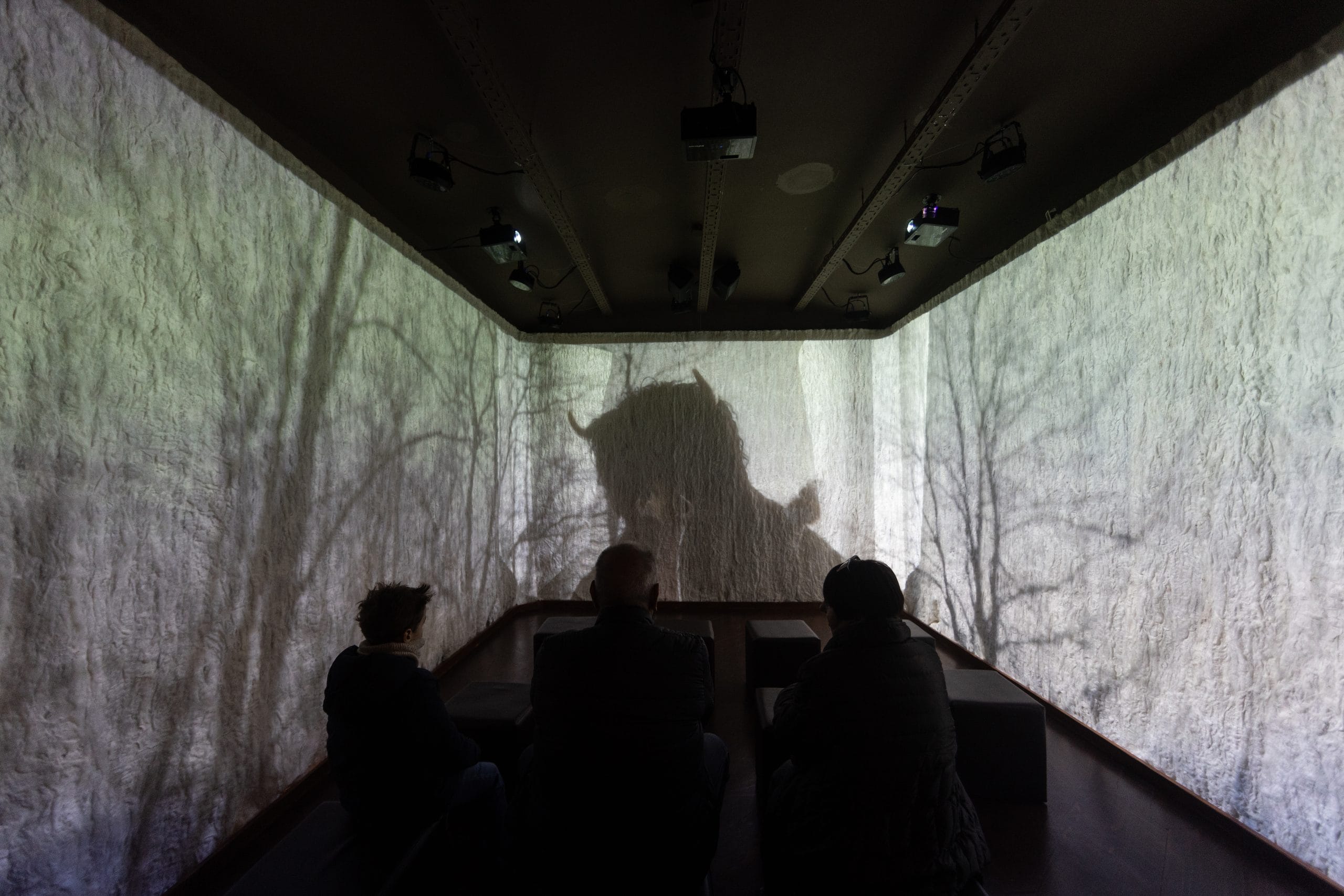


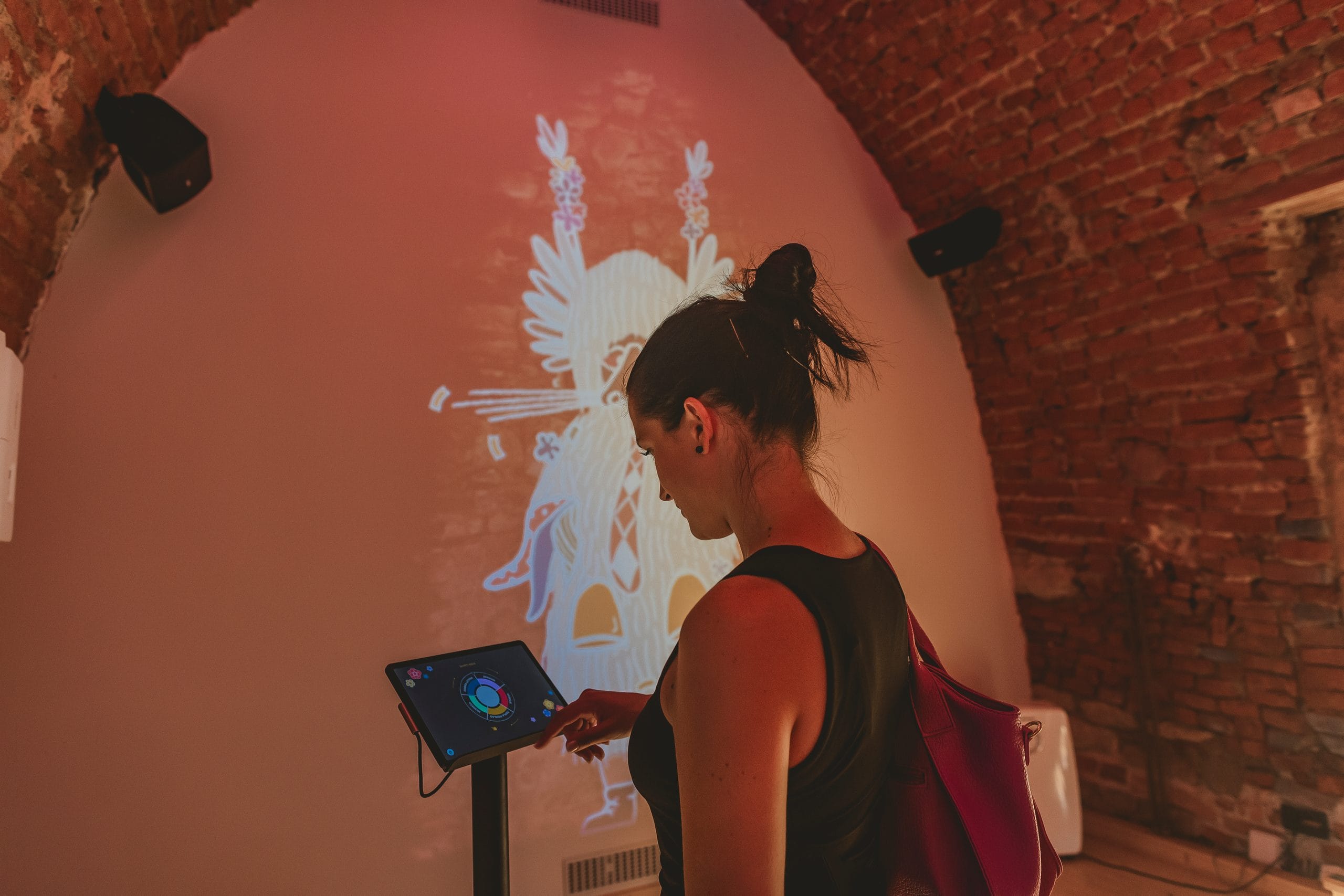
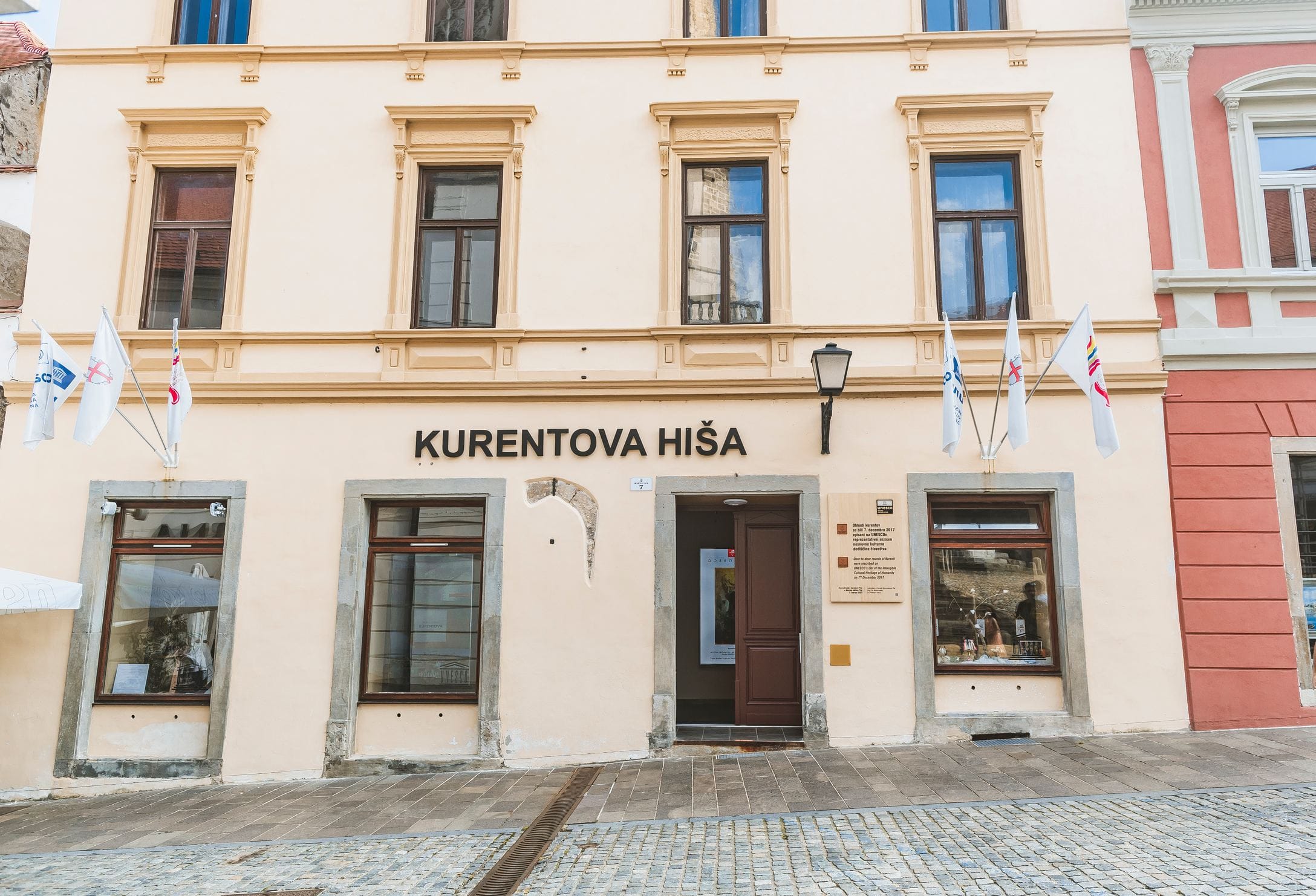
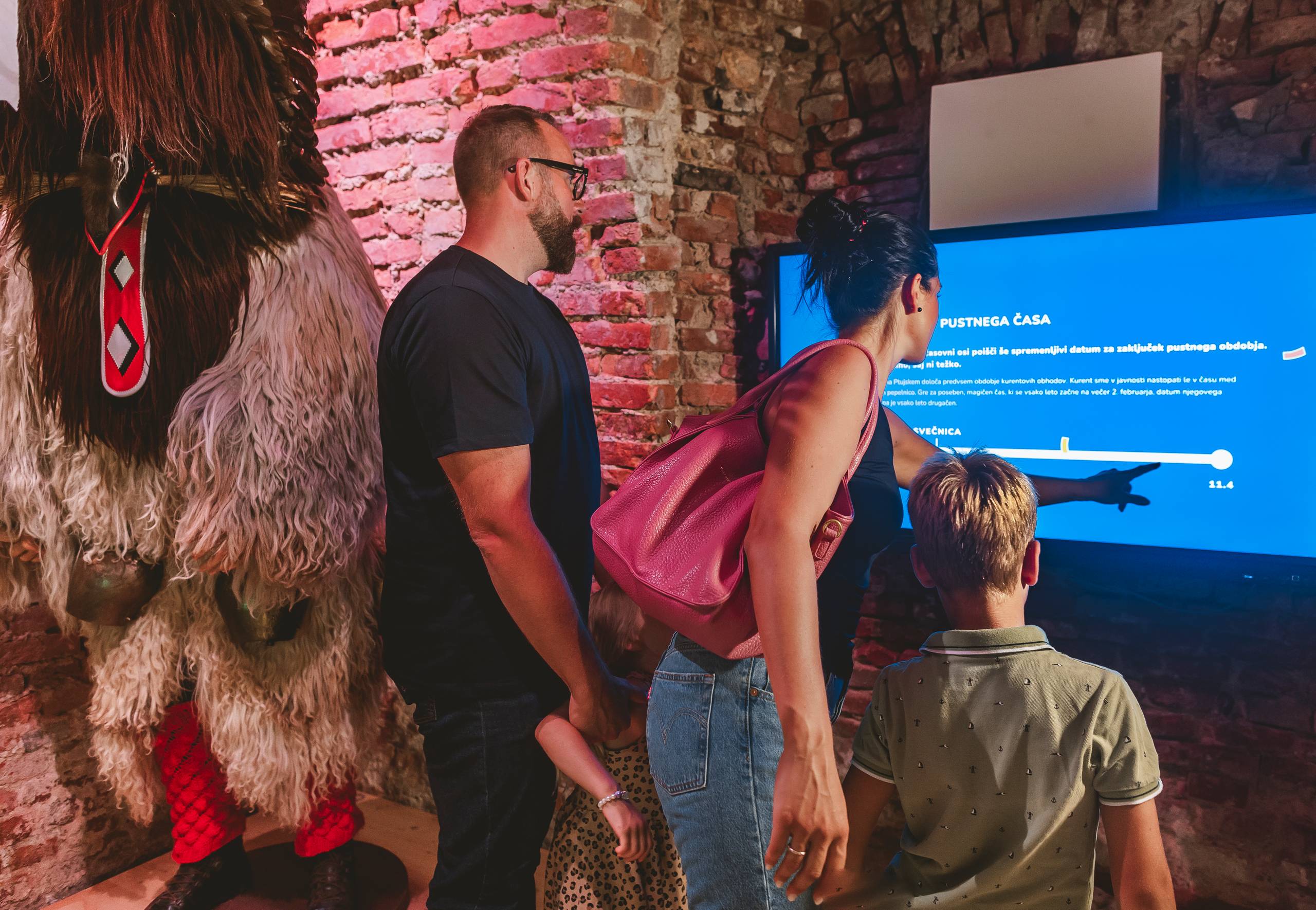
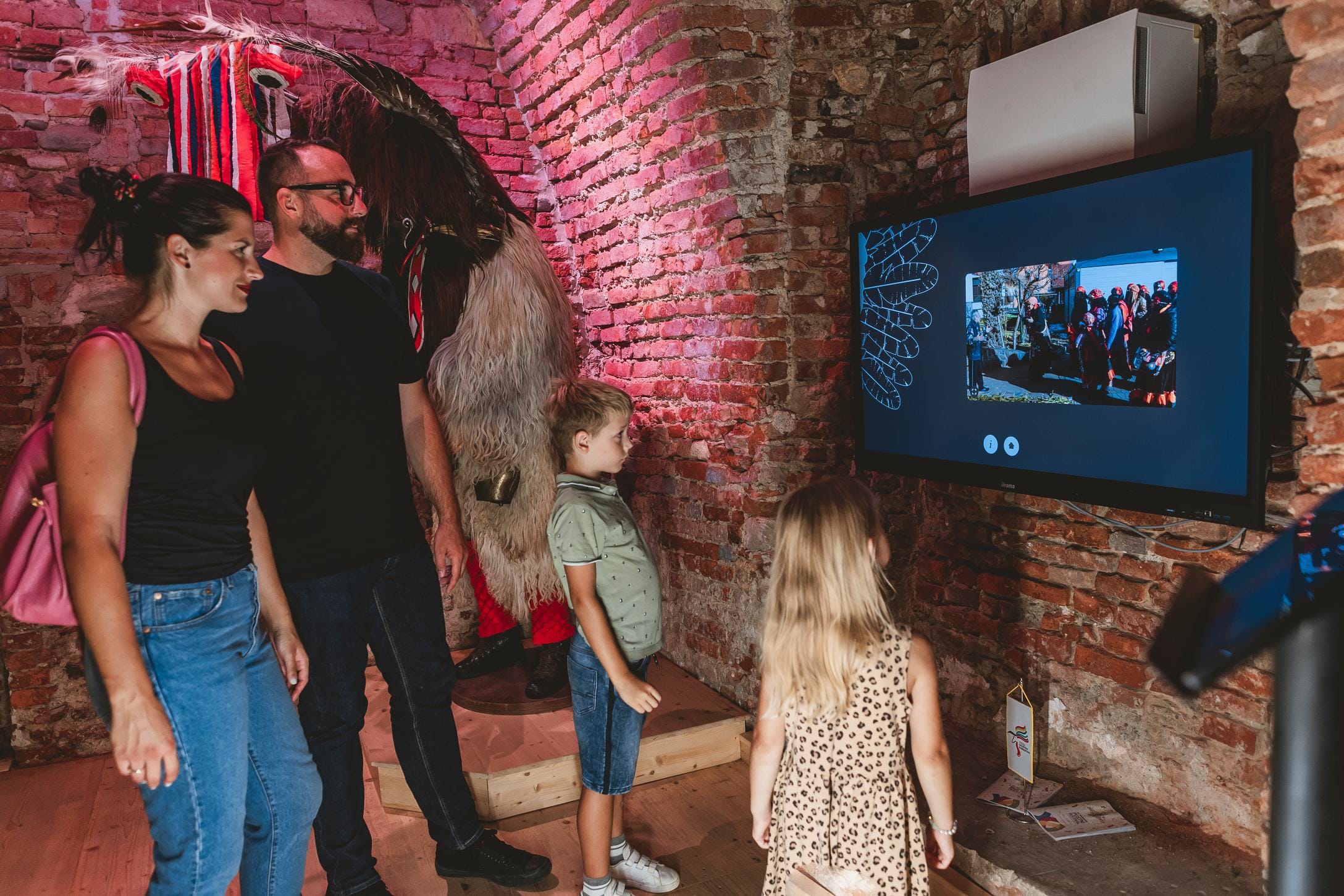
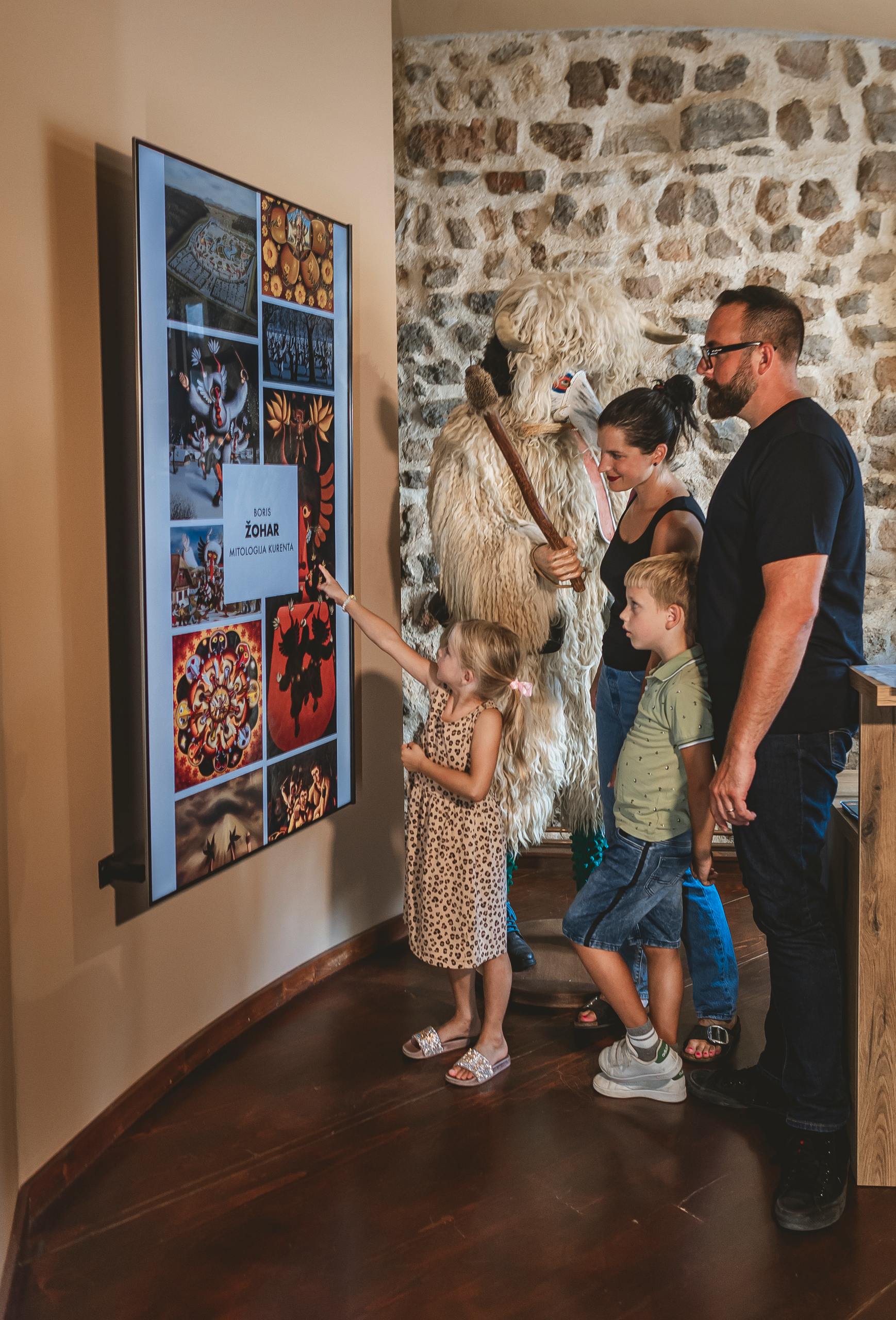
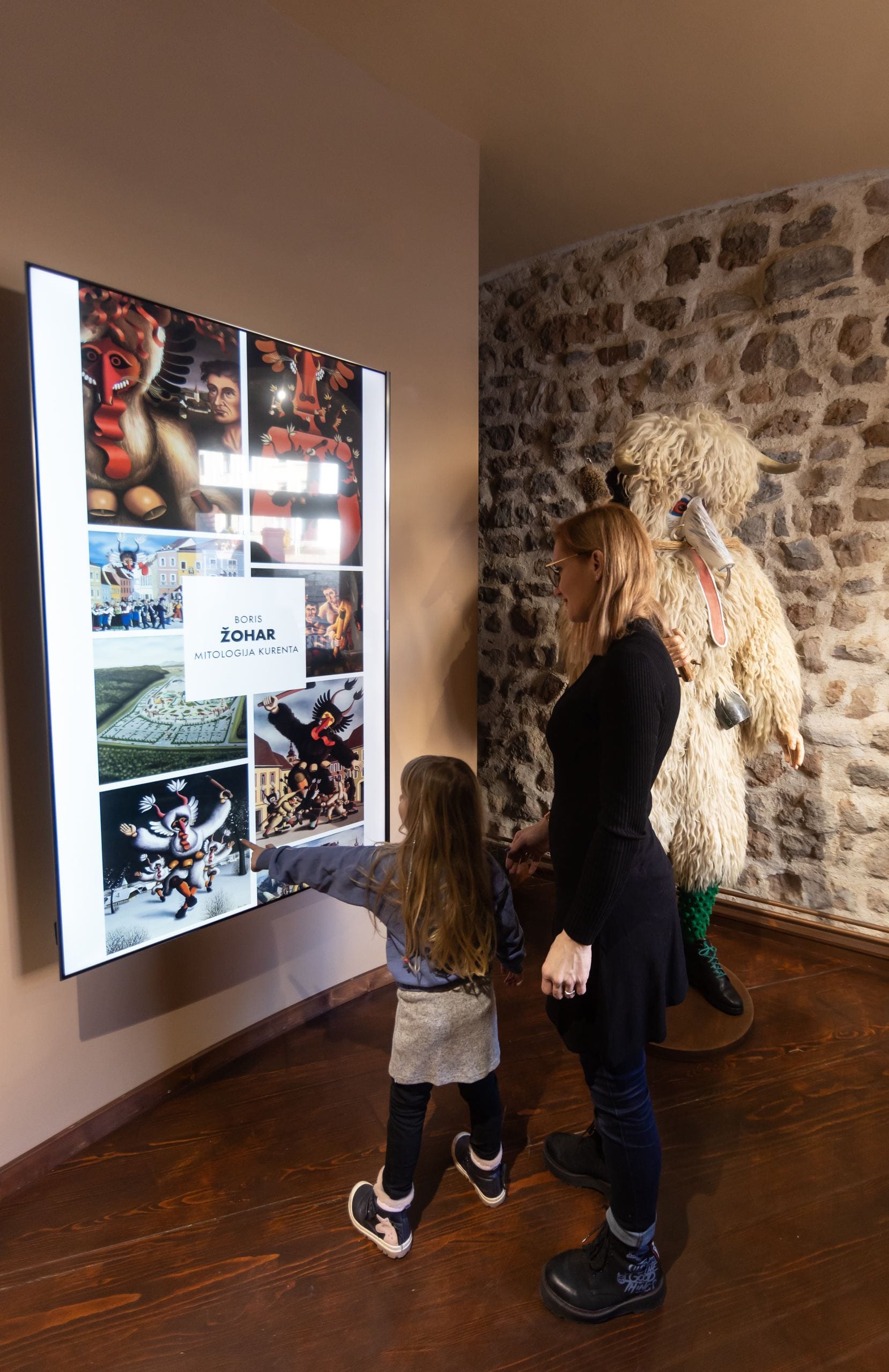

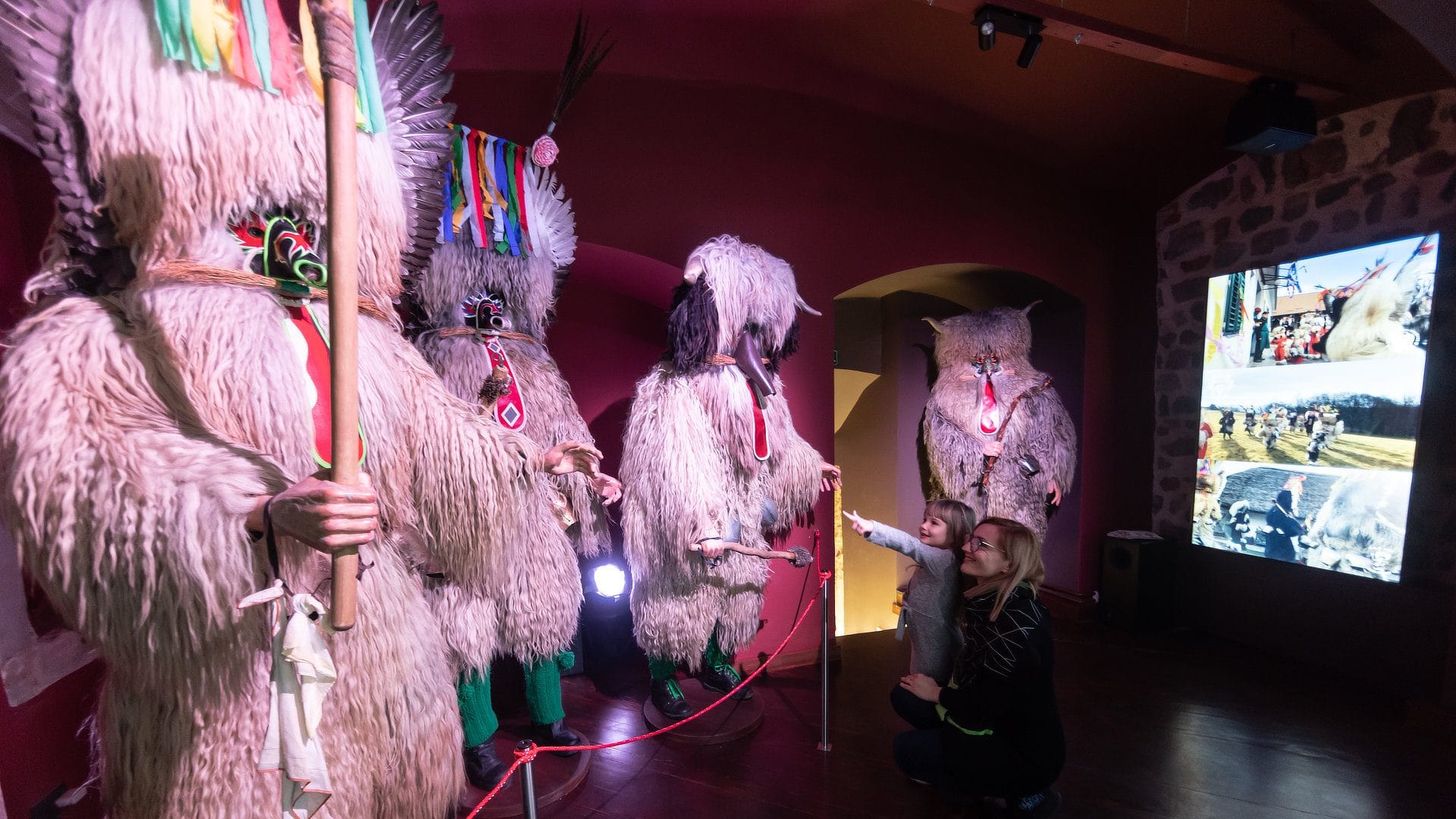
The Kurent is Slovenia's most recognisable carnival figure, dressed in heavy sheepskin with a horned mask, a long red cloth tongue and a belt of forged cowbells. Traditionally you can meet one only in the weeks between Candlemas and Ash Wednesday, but Kurent House keeps seven of the outfits on display all year, alongside a ten-minute film about the ritual shown in a darkened room. The door-to-door rounds of the Kurenti are inscribed on UNESCO's list of intangible cultural heritage, and Ptuj Castle, which holds the historic carnival masks, is a short walk uphill.
Plan Your Visit
<
>
Opening Hours
Closed now
Opens in 88h 4m
Today: 12:00–18:00
Winter schedule
Opening hours may change during school holidays, Advent and Ptuj's festival periods. During Kurentovanje, the house opens every day, including Tuesdays. Visits start on the hour, with a maximum of 15 people per visit. Groups of ten or more can arrange visits outside normal opening hours. Check the latest opening hours before you travel.
Thu 12:00
Winter schedule12:00–18:00
Summer schedule12:00–18:00
Entry Fee
Paid
Adults EUR 7.00
Ticket prices
Official source
Adults
€7.00
Pupils and students
Pupils, students and pensioners aged 60+ are listed together at the same price on the official price list.
€6.00
Pensioners (60+)
Pupils, students and pensioners aged 60+ are listed together at the same price on the official price list.
€6.00
Children from 6 to 15 years
€5.00
Children under 6, accompanied by at least one adult
Free admission for children under 6 when accompanied by at least one adult.
Free
Discounts & surcharges
Discount: Family discount
Applies to a family of two adults with one or more children.
-10%
Discount: Announced groups of 10 or more
Applies to the whole purchase for announced groups of ten or more.
-10%
Discount: Urban Municipality of Ptuj residents
Applies to residents of the Urban Municipality of Ptuj who show proof of residence at the box office.
-50%
Official prices updated:
22 Aug 2026
- Discounts are cumulative.
- Tickets are sold at the box office and through the online booking system, which shows available tour times.
Parking Situation
Street parking nearby
View options
Parking Options
Official source
Situation: Street parking nearby
Parking info updated: 23 Aug 2026
- There is no parking at the venue itself, because Murkova ulica is inside the pedestrian zone.
- Slovenski trg is the closest option, a paid blue-zone street bay about a hundred metres from the door.
- Zadružni trg is a larger paid car park across the Drava, and Čučkova ulica is free.
- Charging hours differ between the blue zone and the car parks, so check the signs before you walk away.
Visitor Requirements
Age guidance
View requirements Requirements
Visitor Requirements
Suitable child age groups
- Young children (4–7 years)
- Older children (8–12 years)
- Teenagers (13–17 years)
Important
- Free under 6: Children under 6 enter free when accompanied by at least one adult.
- Minimum age: No minimum admission age is published; babies and toddlers are permitted.
- Groups of 10+: Visits outside normal opening hours can be arranged by prior agreement.

Parking Fee
Partly Payable

Access Notes
Pedestrian zone — no vehicle access

Suitable For
Couples+4 more

Stroller accessibility
Yes

Wheelchair access
Yes

Estimated visit time
30–60 min

Family Friendly
Yes

Pet Friendly
Yes

Walking Difficulty
Easy

Best season
Spring, Summer, Autumn
Highlights
Archive film and photography
Guided small-group visit
Immersive projection room
Original costumes on display
Costume-making craft heritage
Hands-on family activities
Interactive multimedia exhibition
UNESCO-listed living tradition
Safety Notes
!No specific safety precautions are noted. Please follow on-site guidance.
Photo Tip
The exhibition is deliberately dark, so close frames work better than wide ones. Look for the texture of the sheepskin, the mass of the bell belt and the red tongue against a black display wall. Photography and video for personal use are allowed, including in the projection room, and flash is permitted. If you record the film itself, its authors must be credited.
Before You Go
!Best combined with nearby attraction
!Check opening hours
!Guided tours available
!Indoor visit
!Respect heritage site rules
!Seasonal access
!Ticket required
!Timed entry — visits start on the hour
Access & Parking
Detailed access info in Plan Your Visit ↑
Kurent House sits inside Ptuj's pedestrian old town, so you cannot drive to the door. Park in the blue zone at the edge of the old town or in one of the car parks further out, then walk in; the final stretch is flat, paved and short. If you arrive by bus or train, both stations are on Osojnikova cesta, a short walk away. A portable ramp gives wheelchair access to all rooms, and strollers are fine.
Interesting Facts
1
A house built for a UNESCO-listed living tradition
The door-to-door rounds of the Kurenti were inscribed on UNESCO's Representative List of the Intangible Cultural Heritage of Humanity in 2017. The custom belongs to the Ptuj and Drava plains, the Haloze hills and the Slovenske gorice, where groups of masked figures move from house to house at Shrovetide. Kurent House is the dedicated visitor centre for that tradition and operates under the auspices of the Slovenian National Commission for UNESCO. The inscription covers the practice, not the building.
2
Opened days before the 2023 carnival
The Association of Kurent Societies opened Kurent House on 3 February 2023, working with the Urban Municipality of Ptuj, in the days before that year's Kurentovanje began. The association brings together twenty-six societies with more than 1,200 members and was the bearer of Slovenia's UNESCO nomination. Its aim was to give the Kurent a permanent address, so the figure could be understood properly outside the few weeks of the carnival season.
3
The Kurent's season runs from Candlemas to Ash Wednesday
Traditionally the Kurenti appear only between Candlemas on 2 February and Ash Wednesday. Groups move from house to house, form a circle in the yard and jump around the household, and folk belief holds that the noise of the bells and the swing of the wooden stick drive away winter and bring good fortune for the year ahead. Householders answer with food and drink. Kurent House exists so that visitors can meet the figure during the other eleven months.
4
Sheepskin, cowbells and the hedgehog-skin ježevka
A Kurent's outfit is built from heavy sheepskin, with a horned or feathered mask, a long red cloth tongue and a belt of forged cowbells worn at the waist. In one hand the figure carries a ježevka, a wooden club wrapped in hedgehog skin. None of it is decoration: each element has a role in the ritual, and the exhibition explains how the pieces are made, how much they weigh and how a group moves together while wearing them. Visitors report costumes of around forty kilograms before the bells are added.
5
A ten-minute film and a room built for sound
The centrepiece of the visit is a specially made ten-minute film about the Kurent ritual, shown in a darkened projection room with original music. Around it sit interactive screens, documentary films from several decades and displays introducing the other traditional Shrovetide characters of the Ptuj area: the ploughmen, the whip-crackers, the spear-carriers and the rest. The effect is deliberately atmospheric rather than documentary, and several visitors describe the film as the point where the ritual starts to make sense.
6
A Kurent costume from a 1978 feature film
In February 2026 the house acquired a Kurent outfit worn in France Štiglic's 1978 feature film Praznovanje pomladi, which set the Kurent rounds in the eighteenth century under Habsburg rule and framed them as an act of cultural resistance. The costume belonged to the actor Zvone Agrež, who played Simon at the age of twenty-six in his screen debut and kept it for the rest of his life. His daughter later donated it to the association, together with his original Viba Film contract.
7
Seven outfits, and the chance to compare them
With the film costume in place the house now displays seven different Kurent outfits. Because they span several decades, you can see directly how the kurentija has changed: what the masks, horns and bell belts looked like in the 1970s and what they look like today. The 1978 suit was made by Marko Klinc Sr., father of a maker who still works in the craft, which gives the display an unusually clear line of descent.
8
Household beliefs, told through a wheel of fortune
One interactive station is a wheel of fortune that sets out the unwritten rules surrounding a Kurent's visit: when the figure brings luck into a house, and what it must not do in the yard. According to tradition a visit secures good fortune for the whole year, while a Kurent who falls or rolls on the ground in the yard is read as an omen of misfortune. Details like these carry the meaning of the custom rather than its appearance.
9
National protection came first, UNESCO afterwards
The Kurent rounds entered Slovenia's Register of Intangible Cultural Heritage in 2012, with twenty-one recorded bearers of the custom, and at the end of 2015 the Government of Slovenia proclaimed them intangible cultural heritage of national importance. Only then did the international nomination follow, prepared by the Association of Kurent Societies as nomination bearer. The sequence matters: the recognition began at home, among the societies that practise the custom.
10
An award for digital heritage interpretation
In January 2025 Kurent House received second prize in the JAKOB awards, presented at the opening of the Alpe-Adria fair in Ljubljana for innovation, quality and excellence in Slovenian tourism. The theme that year was the innovative use of digitalisation in natural and cultural heritage. The jury noted that the project brings tradition and innovation together and gives visitors a distinctive way into one of the country's most significant intangible heritage elements.
Visitor Wisdom
Traveler Insights
Combined public visitor ratings from Google and Tripadvisor. Last verified August 2026.
- Being walked through the exhibition by staff who know the subject, rather than being left alone with panels.
- The introductory film, which several visitors describe as the point where the ritual finally makes sense.
- Seeing the costumes close up and realising how heavy and how handmade they are.
- The interactive stations, which visitors describe as genuinely engaging for children rather than decorative.
- And the sense that a small museum is giving good value.
- The entrance is easy to miss, so look for Murkova ulica 7 opposite the city theatre.
- Visits start on the hour and each start is limited to fifteen people, so if you arrive just after a start time, check the next available start.
- The visit itself runs about forty minutes, which makes it a compact stop rather than an afternoon.
- The reduced winter schedule begins on 1 October, and event periods can add opening days, so it is worth checking before you travel.
- Best for first-time visitors to Ptuj, families with school-age children, culture travellers who want the story behind the mask, and anyone putting together a route through Slovenia's UNESCO-listed living traditions, the same thread that runs on to Lipica Stud Farm and its Lipizzan breeding heritage.
- It also works as a wet-weather option.
- Less ideal for anyone expecting a large historical museum or a long self-guided visit, and families with very young or sound-sensitive children should know that the projection room is dark and the bells are loud.
- Assuming entry is continuous: visits start on the hour and each start takes a maximum of fifteen people.
- Turning up on the wrong day: from 1 April to 30 September Tuesday is closed, and from 1 October to 31 March the house is closed Monday to Wednesday. School holidays, Advent and festival periods can change that pattern, and during Kurentovanje the house opens every day, including Tuesdays.
- And trying to drive in: Murkova ulica is inside the pedestrian zone, so park outside the core and walk.
- Ask about one specific outfit. Staff will explain the mask, the bells and the ježevka, and that conversation is what visitors remember afterwards.
- Find the 1978 film costume added in 2026 and compare it with the newer outfits beside it; seven are on display and they span decades.
- Use the photo screen and scan the QR code before you leave, because the souvenir photo is free and easy to miss.
- Souvenirs are sold on site, and guided visits are available in Slovenian and English.
- During Kurentovanje the house opens every day and the town outside is full of Kurenti.
- The format is made for families: children can use the interactive screens, spin the wheel of fortune and use the photo screen.
- The guided visit runs about forty minutes, and children under six enter free with an accompanying adult.
- The one thing to prepare for is the projection room, which is dark and uses strong bell sounds; if your children are very young or sensitive to noise, ask staff what to expect before the film starts.
- The strongest details are close: sheepskin, the bell belt and the red tongue against the dark exhibition walls.
- Photography and video for personal use are allowed, including in the projection room, and flash is permitted, with no general restriction on photographing the objects or the original Kurent outfits.
- If you record the film itself, its authors must be credited.
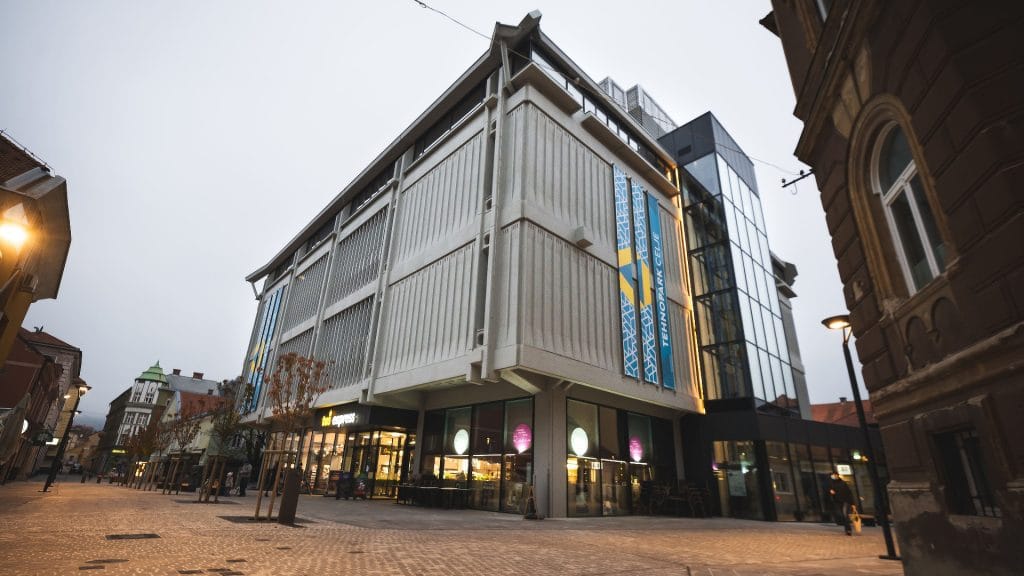
- Exterior shots are limited, because the facade is a modest old-town building opposite the theatre.
- Kurent House gives the familiar image of the Kurent a clear context: the season it belongs to, the beliefs attached to it and the work that goes into a single outfit.
- The personal scale and staff-led explanation are strengths of the visit.
- The practical weak point is the entrance, which is easy to miss from the street and could be signposted more clearly.
Quick Facts
Estimated visit time
30–60 min
Best season
Spring, Summer, Autumn
Walking difficulty
Easy
Family friendly
Yes
Pet friendly
Yes

Entry Fee
Paid

Access type
Short paved walk
Help Improve This Listing
Found outdated information, a mistake, or a useful local tip? Let us know.
Suggest an Update →Help Improve This Listing
Your feedback helps us keep Explore In Slovenia accurate and useful for future visitors.
×Visitor Reviews
Write a review
No visitor reviews yet.
Be the first to share your experience.
No reviews yet!
Sorry! Please login first to submit reviews.